
Table of Contents
- Estate Planning and Legal Structures to Protect Home Assets
- Physical Asset Protection: Durable Roofing Solutions
- Home Improvement for Property Value and Durability
- Insurance-Based Asset Protection Strategies
- Digital Asset and Document Protection
- Asset Protection for Small Business Owners
- DIY vs. Professional Asset Protection: What You Need to Know
- Conclusion
Last Updated: August 30, 2026
Estate Planning and Legal Structures to Protect Home Assets
Protecting your home assets requires a multi-layered approach combining legal strategy, physical durability, and smart insurance choices. Estate planning shields your assets from probate delays, reduces tax liability, and ensures your wishes are carried out as intended. The two most common tools are revocable and irrevocable trusts, each serving different purposes depending on your situation and risk exposure.
Revocable vs. Irrevocable Trusts
A revocable living trust transfers ownership of your property to a trust during your lifetime while you maintain control. You can modify, amend, or revoke it at any time. This flexibility makes revocable trusts popular for managing property and avoiding probate, but they offer limited asset protection from creditors since you retain ownership and control.
An irrevocable trust permanently transfers assets out of your personal ownership. Once established, you cannot change or cancel it without the beneficiary’s consent. This permanence makes irrevocable trusts powerful for asset protection, creditors cannot easily access assets held in an irrevocable trust because you no longer legally own them. The trade-off is loss of control and flexibility.
For homeowners in McAllen, a revocable trust handles day-to-day management and probate avoidance. If you face significant liability risks, an irrevocable trust provides stronger protection, though professional legal guidance is essential before committing assets.
Texas Homestead Exemption and Protection Laws
Texas offers one of the strongest homestead exemptions in the nation. The Texas homestead exemption protects your primary residence from creditor claims up to a certain amount of equity (texas.gov). For a single adult, the exemption covers up to 40 acres of rural property or one acre in an urban setting. Married couples can claim up to 80 acres of rural property.
This protection is automatic in Texas, simply living in your home as your primary residence activates it. Creditors cannot force a sale of your homestead to satisfy most debts, with limited exceptions for property taxes, mortgage debt, and home improvement liens.
Many homeowners combine a revocable living trust with homestead exemption status to create layered protection. The trust handles probate avoidance and management, while the homestead exemption shields equity from creditors. However, homestead protection has limits, it doesn’t protect against federal tax liens, child support obligations, or mortgage foreclosure. Consulting with legal professionals helps ensure your strategy addresses your specific vulnerabilities.
Physical Asset Protection: Durable Roofing Solutions
While legal structures protect ownership rights, physical durability protects your actual investment from deterioration and damage. Durable roofing is critical because your roof is the primary barrier against weather damage, the leading cause of home insurance claims.
South Texas weather presents unique challenges. Intense heat, occasional hail storms, and humidity degrade standard roofing materials quickly. A roof lasting 15 years in temperate climates might fail in 10 years here. Investing in commercial-grade roofing materials and professional installation directly impacts how long your home retains its value and structural integrity.
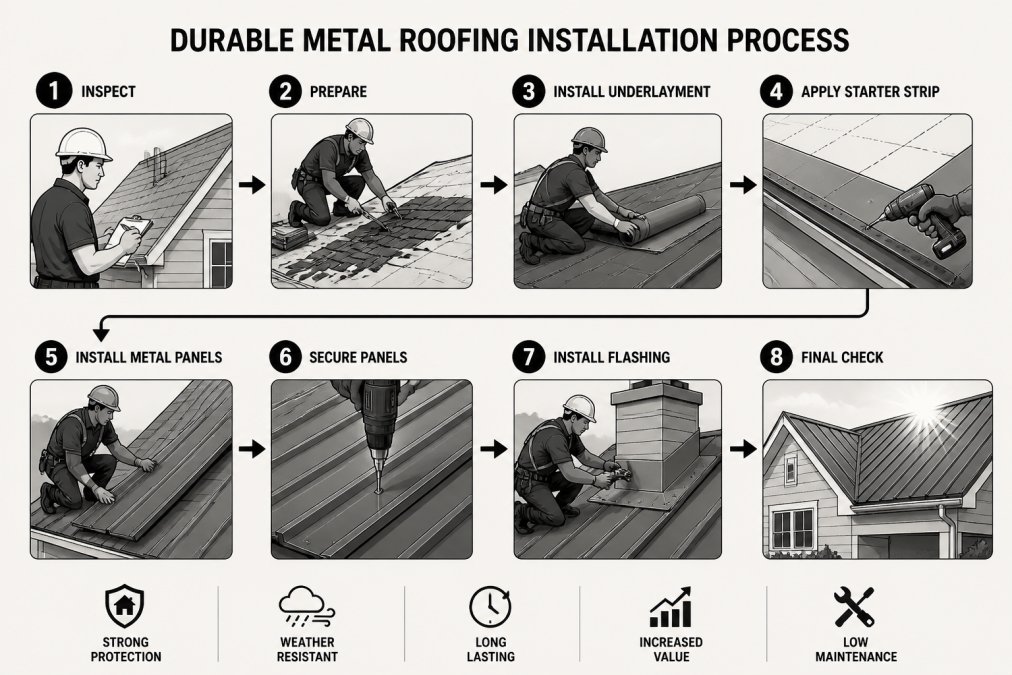
Quality roofing installation prevents water infiltration, which causes the most expensive hidden damage. Water damage leads to mold, structural rot, electrical hazards, and foundation problems. Professional installation ensures proper drainage, flashing, ventilation, and sealing, details that determine whether your roof performs for decades or fails within years.
Material selection matters enormously. Metal roofing reflects heat, reducing cooling costs by 10-15% while lasting 40-50 years (energy.gov). Architectural shingles resist wind and impact better than basic shingles. Tile systems provide exceptional longevity and aesthetic appeal.
Alpha Guard specializes in durable roofing installations engineered specifically for South Texas conditions. Our certified and insured professionals use commercial-grade materials and precise installation techniques to ensure your roof protects your investment for decades.
Home Improvement for Property Value and Durability
Protecting home assets extends beyond preventing damage. Strategic home improvements increase property value while strengthening physical durability. Exterior improvements are particularly important because they’re the first line of defense against weather and wear.
Fencing, Outdoor Structures, and Security Enhancements
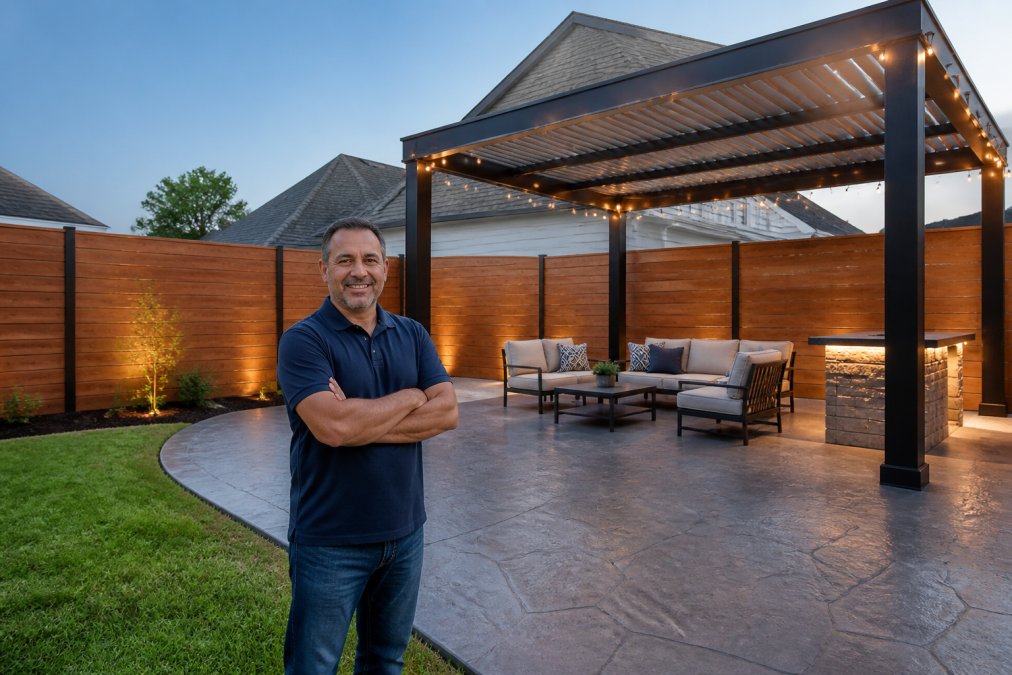
Custom fencing serves multiple asset protection purposes. Privacy fencing creates a secure perimeter that deters theft and trespassing. Quality fencing materials like pressure-treated wood or vinyl resist rot and weathering, maintaining appearance and function for 15-20 years while increasing perceived property value and actual security.
Outdoor structures like carports, pergolas, and patios protect vehicles and create valuable living space. A carport shields vehicles from hail and intense sun, extending vehicle lifespan. Custom patios and outdoor structures expand usable property, increasing home value by 5-10%.
Security enhancements reduce burglary risk. Motion-activated lighting, sturdy gates, and well-maintained landscaping deter break-ins. Properties that appear well-maintained and secure experience fewer thefts.
Alpha Guard’s outdoor installations use commercial-grade materials engineered for South Texas durability. Custom fencing, carports, patios, and pergolas withstand heat, humidity, and severe weather while maintaining appearance and function year-round.
Insurance-Based Asset Protection Strategies
Legal structures and physical durability form the foundation of asset protection, but comprehensive insurance coverage provides the essential safety net against catastrophic loss. Insurance transfers risk from your shoulders to the insurance company, protecting accumulated wealth from single events that could otherwise devastate your financial security.
Homeowners Insurance and Specialized Coverage
Standard homeowners insurance covers dwelling damage, personal property, liability, and additional living expenses. However, standard policies have limits and exclusions that can leave significant gaps.
Dwelling coverage should reflect your home’s replacement cost, not just market value. In McAllen, where construction costs have risen significantly, standard dwelling limits often fall short of actual replacement needs. Personal property coverage typically covers only 50-70% of dwelling value. Scheduled personal property endorsements protect high-value items by listing them individually with agreed-upon values.
Liability coverage protects you if someone is injured on your property and sues. Standard limits of $100,000-$300,000 can be inadequate for serious injuries. Umbrella policies extend liability protection to $1 million or more at reasonable cost, protecting accumulated assets from lawsuit judgments.
Homeowners policies tailored for Texas residents with options for customized coverage can help identify gaps in standard policies and recommend endorsements matching your specific asset protection needs.
Flood Insurance and Weather-Related Protection
Standard homeowners insurance explicitly excludes flood damage. This exclusion applies to any water entering from outside your home’s foundation. In a region prone to occasional flooding or heavy storms, this gap represents enormous risk.
Flood insurance through the National Flood Insurance Program or private carriers covers building structure and personal property damage from flood events (fema.gov). Coverage limits reach $250,000 for building damage and $100,000 for contents. The 30-day waiting period means you cannot obtain flood coverage retroactively once flooding occurs.
Flood insurance options are available. The cost is minimal compared to potential flood damage, which often exceeds $50,000.
Windstorm insurance covers damage from hurricanes and severe thunderstorms in coastal regions. In McAllen, occasional hail storms cause significant damage to roofs, vehicles, and outdoor structures. Specialized weather coverage ensures these events don’t deplete your assets.
Digital Asset and Document Protection
Protecting home assets requires safeguarding the documents and digital records that prove ownership and control. Original deeds, trust documents, insurance policies, and financial records are as valuable as the physical property they represent.
Physical document storage in a home safe creates risk from fire, flood, or theft. A safe deposit box at a financial institution provides vault-level security with dual-key access and climate control. Local financial institutions may offer safe deposit boxes.
Digital document backup provides redundancy and accessibility. Scanned copies of important documents stored in cloud services with strong encryption ensure you can access them from anywhere if originals are damaged.
Sensitive information requires secure destruction when no longer needed. Secure document shredding and hard drive destruction services are available, ensuring sensitive information cannot be recovered after disposal.
Digital asset protection also includes updating beneficiary designations on financial accounts, ensuring digital accounts have secure passwords, and documenting asset locations in a secure document.
Asset Protection for Small Business Owners
Small business owners face heightened asset protection challenges because business liabilities can threaten personal assets. Proper business structure provides the first layer of protection. Operating as a corporation or limited liability company (LLC) creates legal separation between business and personal assets.
However, the corporate veil can be pierced if you fail to maintain proper separation. Commingling business and personal funds or personally guaranteeing business debt can expose personal assets. An attorney specializing in business law ensures your structure is properly maintained.
For business owners, estate planning becomes more complex. A buy-sell agreement specifies what happens to business ownership if you die or become disabled. Legal professionals can provide guidance on protecting business interests as part of comprehensive estate planning.
Business liability insurance protects against claims arising from business operations. This is distinct from personal homeowners insurance and must be maintained separately.
DIY vs. Professional Asset Protection: What You Need to Know
Creating an effective asset protection strategy requires understanding where professional guidance is essential and where you can handle matters yourself.
DIY-Appropriate Tasks:
- Researching homestead exemption rules and verifying your primary residence qualifies
- Comparing insurance policies and coverage options
- Organizing financial documents and creating backup copies
- Establishing password security and digital backup systems
- Researching basic trust structures and estate planning concepts
Tasks Requiring Professional Guidance:
- Drafting or amending trusts and wills (improper language can invalidate protections)
- Structuring business entities and maintaining corporate formality
- Implementing irrevocable trusts (permanent decisions requiring expert analysis)
- Coordinating estate planning with business succession planning
- Addressing complex family situations or significant asset values
- Protesting property tax assessments
The cost of professional guidance is typically far less than the cost of mistakes. An attorney charges $1,500-$3,000 to establish a basic estate plan with trusts. This investment protects hundreds of thousands in assets. For physical asset protection through home improvement and durability, professional installation is essential. DIY roofing, fencing, or outdoor structures often fail prematurely or create safety hazards.
The hybrid approach works best for most homeowners: handle research and document organization yourself, but engage professionals for legal structures, complex installations, and specialized services.
Protecting home assets requires coordinated action across legal, physical, and financial domains. Legal structures and homestead laws create legal barriers, durable roofing and quality improvements maintain physical value, insurance transfers catastrophic risk, and proper documentation safeguards ownership rights.
Alpha Guard specializes in the physical durability component of this strategy. Our certified and insured professionals install durable roofing, custom fencing, carports, patios, and outdoor structures engineered for South Texas conditions. These installations protect your property value while enhancing security and functionality. With guaranteed structural workmanship and affordable financing options, Alpha Guard makes quality asset protection accessible. Get a free estimate today and start protecting your home investment with installations built to last decades.
Frequently Asked Questions
Q: What is the best way to protect home assets?
A: The best approach combines legal, physical, and insurance strategies. Establish a revocable or irrevocable trust to shield assets from creditors and probate. Use your Texas homestead exemption, which protects a portion of your home's equity from most creditors. Install durable physical improvements like quality roofing, fencing, and security systems to protect against liability claims from property damage. Finally, maintain comprehensive homeowners insurance, flood insurance, and umbrella policies. This layered approach, legal structures, physical durability, and proper insurance coverage, creates the strongest asset protection.
Q: How does the Texas homestead exemption protect my home?
A: The Texas homestead exemption provides statutory protection that shields a portion of your home's equity from creditor claims, judgment liens, and forced sale in most situations. This protection applies to primary residences. For certain types of claims (such as federal tax liens or mortgage debt), the exemption offers limited protection. To qualify, your home must be your primary residence, and you must file for the exemption with your county tax assessor. This legal protection is automatic in Texas but requires proper documentation to enforce.
Q: Can I put my house in a trust to avoid creditors?
A: Yes, but the type of trust matters significantly. An irrevocable trust offers stronger creditor protection because you transfer ownership and lose control of the property, creditors cannot easily access assets you no longer own. A revocable living trust provides less creditor protection since you retain ownership and control, but it helps avoid probate and allows you to manage your property if you become incapacitated. For maximum protection, an irrevocable trust is more effective, though it requires giving up direct ownership. Consult an estate planning attorney to determine which structure fits your situation and state law requirements.
Q: What physical improvements best protect my home's value and durability?
A: Durable roofing solutions are among the most important investments, quality roofing protects against weather damage, extends your home's lifespan, and reduces insurance claims. Custom fencing and security shutters provide both physical protection and liability defense by controlling access and preventing injury claims. Concrete patios, metal carports, and outdoor structures engineered for local weather conditions (heat, hail, storms) safeguard vehicles and outdoor assets. Smart lighting and security systems reduce theft risk and liability. These improvements enhance property value while simultaneously reducing the likelihood of damage claims that could expose your assets to litigation.
Q: Do I need both homeowners insurance and flood insurance?
A: Yes. Standard homeowners insurance covers most perils (wind, hail, fire, theft) but explicitly excludes flood damage. Flood insurance is a separate policy that covers water damage from heavy rain, storm surge, or overflow. In McAllen, flood risk exists even in moderate-risk zones, and lenders require flood insurance if your property is in a designated flood zone. Without flood insurance, a single flood event could devastate your home's value and your personal finances. Having both policies ensures comprehensive asset protection.
Q: How do I protect digital assets and important documents?
A: Store original documents (deeds, titles, insurance policies, wills, trusts) in a safe deposit box at a local bank. Keep digital copies on an encrypted external drive stored separately. Establish a secure digital filing system for financial records and property documentation. For sensitive information you no longer need, use professional document shredding services to ensure compliant destruction. Create an inventory of all assets (real estate, vehicles, valuables) and store it securely. Designate a trusted family member or attorney who knows where to find critical documents in an emergency.
Q: Should I hire a professional or handle asset protection myself?
A: For basic protection, you can implement physical improvements (roofing, fencing, security) through qualified contractors and maintain appropriate insurance. However, legal asset protection structures (trusts, corporate entities, liability shielding) require professional guidance. An estate planning attorney can draft trusts tailored to your situation, ensure compliance with Texas law, and identify tax-minimization strategies. A property tax consultant can help reduce assessed value and lower annual taxes. For complex situations or significant assets, professional assistance pays for itself through better protection and tax savings. Start with a consultation to determine your specific needs before deciding what you can handle independently.
Q: What should I know about fiduciary duty and trustee responsibilities?
A: If you establish a trust, whoever manages it (the trustee) has a fiduciary duty to act in the beneficiary's best interest, manage assets prudently, and avoid conflicts of interest. As a grantor (the person creating the trust), you can serve as trustee of a revocable trust while maintaining control. For irrevocable trusts, you typically designate an independent trustee, often a family member or professional trustee. The trustee must keep detailed records, file required tax returns, and distribute assets according to the trust terms. Understanding these responsibilities helps you choose the right trustee and ensures your asset protection strategy functions as intended.
This article was written using GrandRanker