
Table of Contents
- Why Material Selection Matters for Texas Heat Roofing
- Metal Roofing: Superior Heat Reflection and Durability
- Cool Asphalt Shingles: Affordable Heat-Resistant Options
- Composite and Synthetic Roofing Materials
- Energy Efficient Roofing Materials and Solar Reflectance
- Roof Ventilation Requirements and Attic Insulation Synergy
- Residential Roof Replacement Cost Estimates and Material Comparison
- Conclusion
Last Updated: August 21, 2026
Why Material Selection Matters for Texas Heat Roofing
Choosing the right roofing material for Texas heat directly impacts your cooling costs, attic longevity, and home durability. In Texas, where summer temperatures regularly exceed 95°F and roof surface temperatures can climb above 150°F on asphalt shingles, the difference between a material that reflects heat and one that absorbs it is substantial (noaa.gov). The wrong material forces your air conditioning system to work harder, driving up energy bills and shortening equipment lifespan. The right material reflects solar radiation, keeps your attic cooler, and can extend roof life by decades.
This guide covers materials that actually perform in Texas heat, with honest assessments of what works, what doesn’t, and where to invest your money.
Metal Roofing: Superior Heat Reflection and Durability
Metal roofing stands as the gold standard for Texas heat performance. Standing seam metal and stone-coated steel panels reflect 60-70% of solar radiation, compared to 5-10% for standard asphalt shingles (peer-reviewed research). This translates into attic temperatures that stay 20-30°F cooler than homes with traditional roofing, reducing cooling costs substantially.
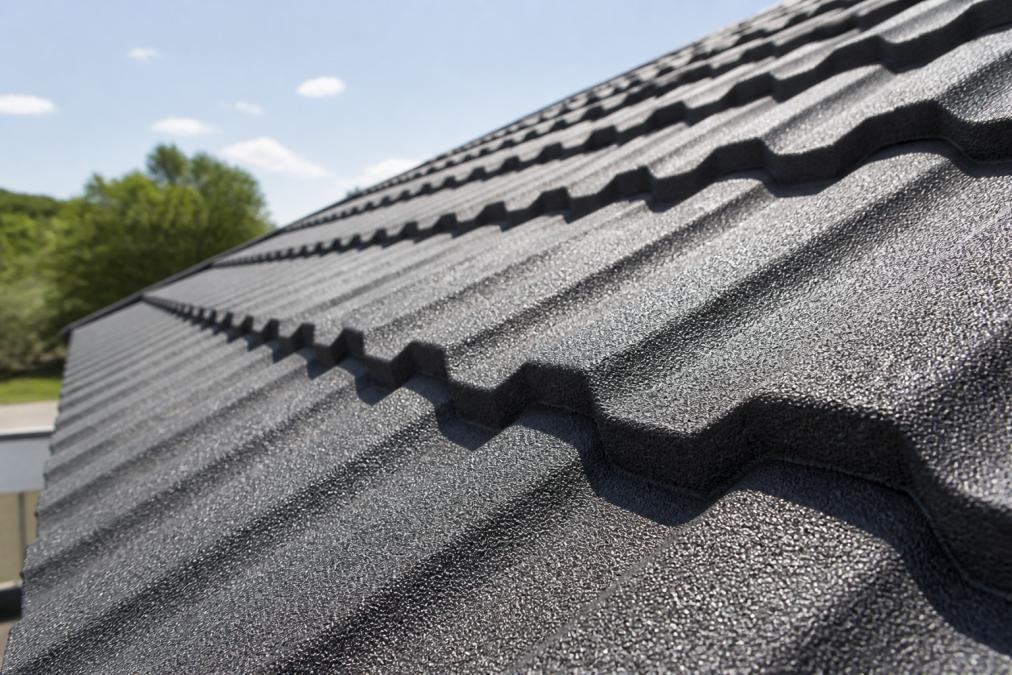
Metal roofing’s thermal properties work year-round. While metal expands and contracts with temperature swings, this movement doesn’t compromise integrity the way it damages asphalt shingles. A quality metal roof in Texas lasts 40-70 years with minimal maintenance, compared to 15-25 years for asphalt (energy.gov). Wind uplift resistance is exceptional, most metal systems are rated for 120-150 mph winds.
Installation complexity is the primary drawback. Metal roofing requires specialized contractors who understand proper fastening, expansion gaps, and underlayment compatibility. Boral Steel Stone Coated Metal Roofing offers a compelling middle ground: it mimics traditional shingle aesthetics while delivering metal’s durability and heat reflection. The stone coating provides Class 4 hail impact resistance, the highest rating available. A 50-year material warranty backs the product, with installed costs typically ranging from $7.50 to $14.50 per square foot.
If you’re considering metal roofing, verify that your contractor is certified by the manufacturer. Installation mistakes can void warranties and create premature failures. Ask for references from metal roof installations completed at least 5 years ago.
Cool Asphalt Shingles: Affordable Heat-Resistant Options
Asphalt shingles remain the most common roofing choice in Texas, primarily because of affordability and wide availability. Cool-roof variants with reflective granules offer a middle path between traditional asphalt and premium materials.
GAF Timberline HDZ Cool Roofing Shingles incorporate solar reflectance technology to reduce heat absorption compared to standard asphalt. The Dura Grip adhesive provides wind resistance up to 130 mph, and LayerLock technology mechanically fuses shingles for added durability. Pricing starts at $35.99 per bundle, translating to roughly $108-$130 per 100 square feet of material.
CertainTeed Landmark Pro Shingles step up performance with Solaris Cool Roof Technology that reflects solar energy more effectively than standard asphalt. At $120-$140 per square for materials, Landmark Pro costs significantly more than standard shingles but still undercuts metal roofing. Even with cool technology, asphalt shingles degrade faster than metal alternatives, UV exposure remains a limiting factor, with most asphalt shingles showing color fading within 5-10 years in Texas’s intense sun.
Cool asphalt shingles make sense if your budget doesn’t accommodate metal roofing and you plan to replace the roof within 20-25 years. They’re straightforward to install and widely available in numerous colors. The downside is that they don’t solve the fundamental problem: asphalt absorbs heat more than reflective materials.
Don’t assume all “cool” shingles perform equally. Check the Solar Reflectance Index (SRI) rating, higher numbers indicate better heat reflection. Look for products with SRI ratings of 65 or higher if energy efficiency is your priority.
Composite and Synthetic Roofing Materials
Composite roofing materials engineered from polymers and recycled materials offer durability advantages over asphalt while maintaining lower costs than metal. These materials resist fading, cracking, and insect damage better than natural alternatives.
DaVinci Roofscapes Composite Roofing replicates the aesthetic of natural slate or cedar shake while delivering Class A fire rating and Class 4 impact resistance. The material resists UV degradation far better than asphalt, maintaining color through decades of Texas sun exposure. Installation requires specialized contractors, but the learning curve is less steep than metal roofing. Composite materials typically fall between cool asphalt shingles and metal roofing in total installed cost.
Ondura Corrugated Asphalt Roofing Panels represent a lighter-weight alternative for specific applications. Made from 50% recycled material, these panels resist high winds effectively. At $27.95-$49.99 per panel, material costs are accessible. However, Ondura panels work best for outbuildings rather than as a primary residential solution in Texas heat.
Composite materials shine when you want premium natural material aesthetics without maintenance burden. Cedar shake requires regular treatment; slate is brittle in temperature swings. Composites hold color, resist impact, and tolerate Texas heat without constant upkeep.
Energy Efficient Roofing Materials and Solar Reflectance
Solar reflectance, the percentage of solar radiation a material bounces back into the atmosphere, directly determines how much heat your roof absorbs. This metric, expressed as Solar Reflectance Index (SRI), is the single most important specification for Texas heat performance.
Metal roofing achieves SRI ratings of 65-80. Cool asphalt shingles reach 50-65. Standard asphalt barely exceeds 30. A home with high-SRI roofing experiences attic temperatures 15-25°F cooler than identical homes with standard roofing, reducing cooling demand by 10-20%.
For flat or low-slope roofs, reflective membrane systems deliver exceptional energy performance. Duro-Last Cool Zone Roofing System uses a white PVC membrane that reflects up to 80% of UV rays. Versico TPO Roofing Systems offer similar heat reflection through white thermoplastic polyolefin membranes.
Conklin Rapid Roof III is an acrylic elastomeric coating system that can be applied over existing roofs without removal. It reflects up to 85% of sunrays and is ENERGY STAR certified. At $337.00 for 5 gallons of white top coat, material costs are modest, but professional application is required. This approach extends roof life by 10-15 years while improving energy efficiency immediately.
If you’re choosing between materials primarily for energy savings, compare SRI ratings directly. A high-SRI material will reduce cooling costs more than any other roofing characteristic. In Texas, energy savings from reflective roofing can offset higher material costs within 8-12 years.
Roof Ventilation Requirements and Attic Insulation Synergy
Roofing material choice becomes far more effective when paired with proper ventilation and insulation. A reflective roof that keeps solar radiation out works best when your attic can exhaust the heat that does penetrate.
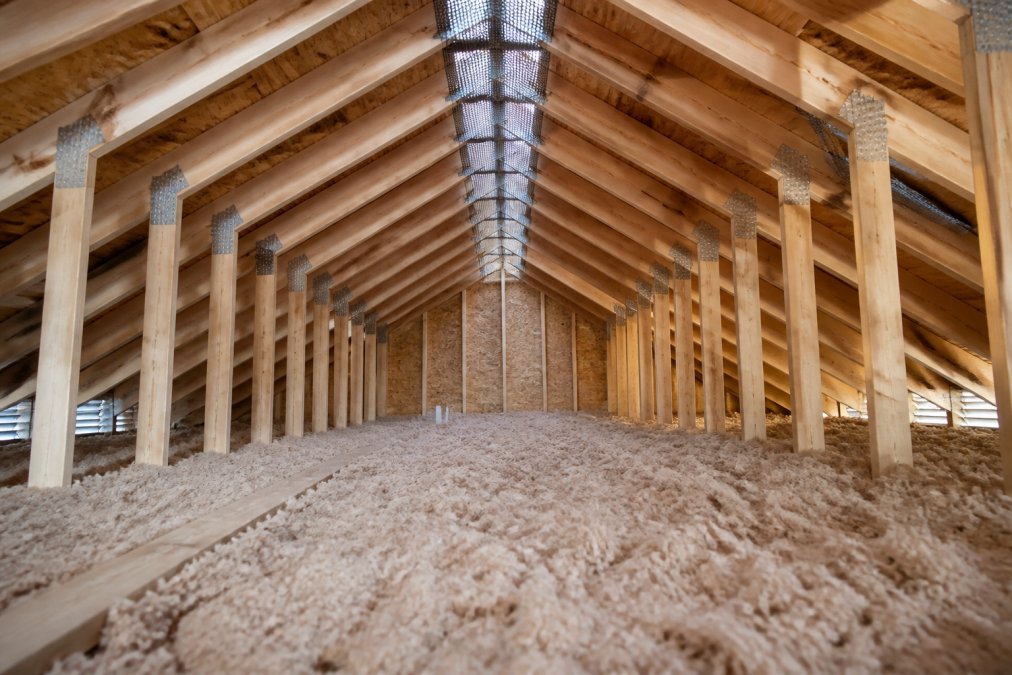
Proper attic ventilation requires balanced intake and exhaust. Soffit vents provide intake air along the eaves, while ridge vents exhaust hot air from the peak. The rule of thumb is 1 square foot of net free ventilation area for every 150 square feet of attic space. In Texas heat, many builders use the more aggressive 1-to-100 ratio.
Insulation and ventilation work together. Insulation resists heat transfer from the attic into living spaces; ventilation removes heat from the attic itself. Both are necessary. An attic with excellent insulation but poor ventilation will still reach 140°F+ in summer, degrading roofing materials.
Spray Polyurethane Foam (SPF) roofing creates an unusual synergy. SPF provides both insulation (R-value of 6-7 per inch) and air sealing, eliminating attic ventilation requirements in some applications. The foam is sprayed directly onto the roof deck, then topped with a reflective coating. This combination dramatically reduces cooling loads. Installed costs typically run $4,500-$12,000 for a 2,000 sq ft home, with energy savings reaching 15-35% annually.
For conventional roofing materials, ensure your contractor specifies adequate ventilation during installation.
Residential Roof Replacement Cost Estimates and Material Comparison
Roof replacement costs in Texas vary dramatically by material, complexity, and local labor rates. A straightforward asphalt shingle replacement on a 2,000 sq ft home typically costs $8,000-$15,000 installed. Metal roofing for the same home runs $15,000-$30,000. Composite materials fall in the $12,000-$25,000 range.
Removal of existing roofing adds $1,500-$3,000. Structural repairs discovered during installation can add thousands.
| Material | Estimated Cost Range (2,000 sq ft) | Lifespan | Energy Efficiency | Wind Resistance |
|---|---|---|---|---|
| Asphalt Shingles (standard) | $8,000-$12,000 | 15-25 years | Low | 90-110 mph |
| Cool Asphalt Shingles | $10,000-$15,000 | 18-25 years | Moderate | 110-130 mph |
| Metal Roofing (standing seam) | $16,000-$30,000 | 40-70 years | High | 120-150 mph |
| Stone-Coated Steel | $15,000-$29,000 | 40-70 years | High | 120 mph |
| Composite Roofing | $12,000-$25,000 | 30-50 years | Moderate-High | 110-130 mph |
| SPF with Reflective Coating | $9,000-$20,000 | 20-50 years | Very High | Variable |
Cost-per-year calculations reveal true value. A $12,000 asphalt roof lasting 20 years costs $600 annually. A $24,000 metal roof lasting 60 years costs $400 annually, plus you save on cooling costs and avoid replacement disruption.
Homeowners planning to stay in their home for 15+ years should prioritize reflective materials (metal or cool composites). The energy savings and extended lifespan justify higher upfront costs. Homeowners in transition situations may find cool asphalt shingles the best balance of cost and marketability.
Conclusion
Material selection for Texas heat roofing isn’t about finding the cheapest option, it’s about understanding what each material delivers over its lifespan. Metal roofing and stone-coated steel provide unmatched durability and heat reflection. Cool asphalt shingles offer an affordable middle ground if budget constraints exist. Composite materials deliver durability advantages for homeowners who prioritize aesthetics alongside function.
The real opportunity lies in pairing your roofing material choice with proper ventilation and insulation. When reflective material, ventilation, and insulation work together, your home stays cooler, your cooling system works less, and your roof lasts longer.
Alpha Guard’s certified and insured professionals understand Texas heat roofing. We help you select materials matched to your climate, budget, and long-term plans, then install them with guaranteed structural workmanship. Whether you’re ready to invest in metal roofing for decades of performance or need a cost-effective cool asphalt solution, we ensure your roof is engineered for Texas conditions. Get a free estimate and discover how the right material choice protects your home for years to come.
=== FAQ ANSWERS (audit these too, same rules) ===
[1] Q: What is the best roofing material for extreme heat and sun exposure?
A: Metal roofing and cool asphalt shingles perform best in extreme heat. Metal roofs reflect 60-70% of solar radiation and can last 40-70 years, while cool shingles use specialized coatings to reduce heat absorption. Both significantly lower attic temperatures compared to standard asphalt. Your choice depends on budget, aesthetics, and long-term durability goals. Metal costs more upfront but outlasts cool shingles by decades.
[2] Q: How do energy efficient roofing materials reduce cooling costs?
A: Energy efficient roofing materials use high solar reflectance and thermal mass properties to reflect sunlight rather than absorb it. Materials with high Solar Reflectance Index (SRI) ratings keep roof surfaces cooler, which reduces heat transfer into the attic and living spaces. This can lower cooling costs by 15-35% annually. Cool roof coatings and reflective membranes are ENERGY STAR certified for measurable energy savings.
[3] Q: What are the roof ventilation requirements for Texas homes?
A: Proper roof ventilation requires balanced intake and exhaust vents. Ridge vents at the roof peak work with soffit vents along the eaves to create continuous airflow that removes heat and moisture from the attic. Building codes typically require 1 square foot of ventilation for every 150 square feet of attic space. Adequate ventilation works synergistically with insulation to keep attics cooler and extend roofing material lifespan in Texas heat.
[4] Q: Are cool roof shingles worth the investment for residential homes?
A: Cool roof shingles offer measurable value in Texas climates. They cost slightly more than standard shingles but reduce cooling costs and extend shingle lifespan by slowing UV degradation. For homeowners staying 10+ years, energy savings often recover the upfront cost difference. They’re particularly valuable if your home lacks proper attic ventilation or insulation.
[5] Q: How does roof color impact energy efficiency in hot climates?
A: Lighter roof colors reflect more solar radiation than dark colors, reducing heat absorption. A white or light-colored roof can reflect up to 80% of sunlight, while dark roofs absorb 80-90%. This difference translates to measurable attic temperature reductions and lower cooling costs. Light-colored metal roofing and white reflective coatings are specifically engineered to maximize this effect in hot climates like Texas.
Frequently Asked Questions
Q: What is the best roofing material for extreme heat and sun exposure?
A: Metal roofing and cool asphalt shingles perform best in extreme heat. Metal roofs reflect 60-70% of solar radiation and can last 40-70 years, while cool shingles use specialized coatings to reduce heat absorption. Both significantly lower attic temperatures compared to standard asphalt. Your choice depends on budget, aesthetics, and long-term durability goals. Metal costs more upfront but outlasts cool shingles by decades.
Q: How do energy efficient roofing materials reduce cooling costs?
A: Energy efficient roofing materials use high solar reflectance and thermal mass properties to reflect sunlight rather than absorb it. Materials with high Solar Reflectance Index (SRI) ratings keep roof surfaces cooler, which reduces heat transfer into the attic and living spaces. This can lower cooling costs by 15-35% annually. Cool roof coatings and reflective membranes are ENERGY STAR certified for measurable energy savings.
Q: What are the roof ventilation requirements for Texas homes?
A: Proper roof ventilation requires balanced intake and exhaust vents. Ridge vents at the roof peak work with soffit vents along the eaves to create continuous airflow that removes heat and moisture from the attic. Building codes typically require 1 square foot of ventilation for every 150 square feet of attic space. Adequate ventilation works synergistically with insulation to keep attics cooler and extend roofing material lifespan in Texas heat.
Q: Are cool roof shingles worth the investment for residential homes?
A: Cool roof shingles offer measurable value in Texas climates. They cost slightly more than standard shingles but reduce cooling costs and extend shingle lifespan by slowing UV degradation. For homeowners staying 10+ years, energy savings often recover the upfront cost difference. They're particularly valuable if your home lacks proper attic ventilation or insulation.
Q: How does roof color impact energy efficiency in hot climates?
A: Lighter roof colors reflect more solar radiation than dark colors, reducing heat absorption. A white or light-colored roof can reflect up to 80% of sunlight, while dark roofs absorb 80-90%. This difference translates to measurable attic temperature reductions and lower cooling costs. Light-colored metal roofing and white reflective coatings are specifically engineered to maximize this effect in hot climates like Texas.
This article was written using GrandRanker