
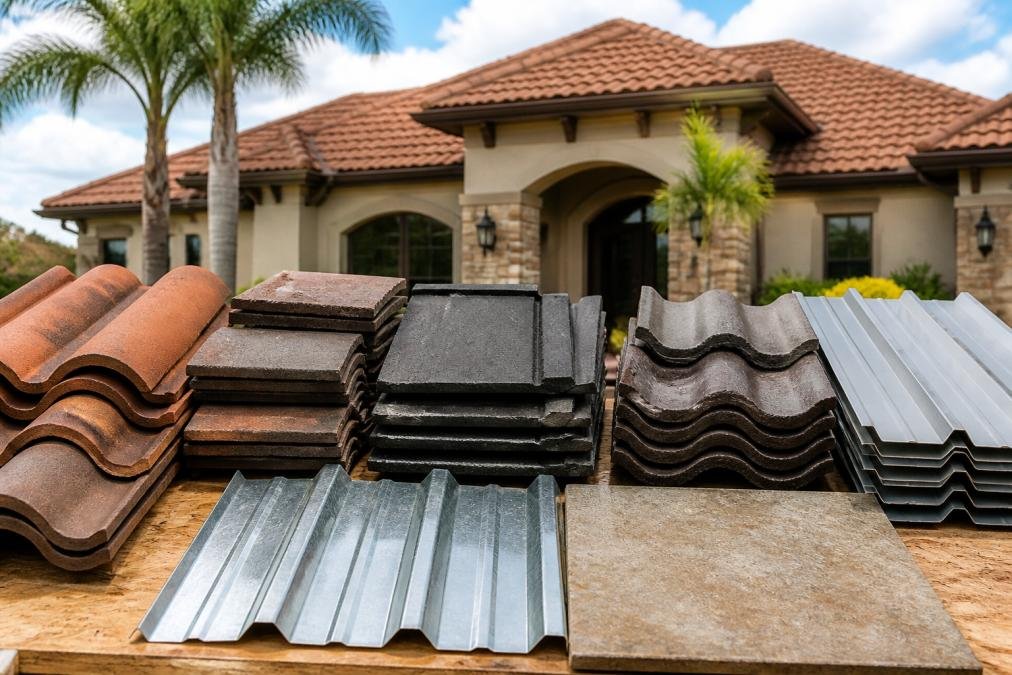
Table of Contents
- Why Durable Roofing Materials Matter in Texas
- Class 4 Impact Resistant Shingles for Texas Hail Protection
- Metal Roofing vs Asphalt Shingles in Texas Heat
- Roofing Material Lifespan in Texas Heat and Weather
- Insurance Discounts and Building Code Compliance
- Comparison of Top Durable Roofing Materials
- Choosing the Right Roofing Material for Your Texas Home
- Conclusion
Last Updated: August 8, 2026
Why Durable Roofing Materials Matter in Texas
Texas weather demands roofing that handles extreme conditions: intense summer heat exceeding 100°F, severe hail storms, and occasional hurricanes. Your roofing material choice affects structural integrity, insurance premiums, maintenance requirements, energy efficiency, and replacement timeline. A roof lasting 50 years instead of 20 saves substantial money over time, even with higher upfront costs.
At Alpha Guard, we work with McAllen homeowners to identify which durable roofing materials perform best in our local climate. Regional differences matter, materials thriving in Texas heat often underperform in milder climates.
This guide covers the most durable roofing materials available, their Texas performance, financial comparison, and local building code requirements. We’ll explain how roofing choice impacts insurance discounts and energy efficiency, factors that significantly affect total cost of ownership.
The best roofing material for your Texas home depends on three factors: your budget, how long you plan to stay in the home, and your local wind and hail exposure. A material perfect for McAllen might not be ideal for West Texas panhandle locations with different weather patterns.
Class 4 Impact Resistant Shingles for Texas Hail Protection
Class 4 impact-resistant shingles withstand hail without cracking or losing granules, meeting UL 2218 impact standards, the highest rating for asphalt shingles. In Texas, where hail storms cause thousands in damage within minutes, this protection matters.
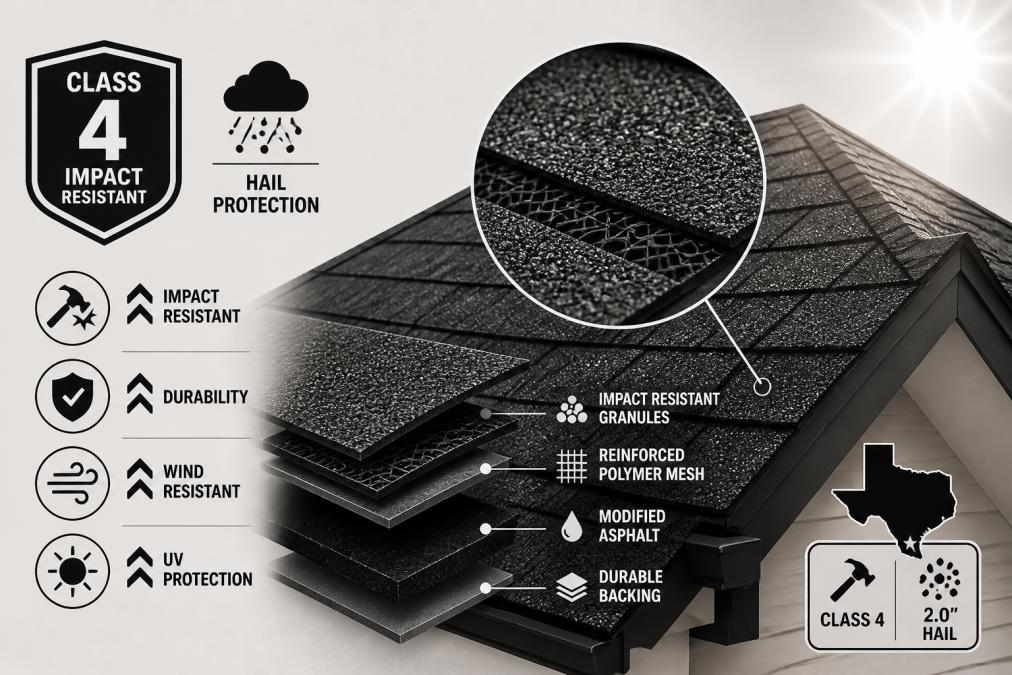
Class 4 shingles use stronger base materials and reinforced adhesives that absorb impact energy rather than transmitting it through to the roof deck. When hail strikes, the shingle flexes and recovers instead of cracking, keeping your roof watertight and structurally sound after storms that would damage lesser materials.
Most insurance companies recognize Class 4 impact ratings and offer premium discounts of 15-30% depending on your insurer and location. For many homeowners, insurance savings recover the additional upfront cost within 5-10 years. Lifespan typically extends to 25-30 years with proper maintenance, compared to 15-20 years for standard asphalt shingles.
Class 4 shingles still require proper roof ventilation and underlayment to perform optimally. Poor ventilation traps heat under the roofing system, reducing lifespan even of premium materials. Professional installation is critical, the best material installed incorrectly won’t deliver promised durability.
Metal Roofing vs Asphalt Shingles in Texas Heat
Metal roofing has become increasingly popular in Texas. When comparing metal roofing vs asphalt shingles in Texas heat, metal wins on longevity, energy efficiency, and weather resistance, though initial cost is higher.
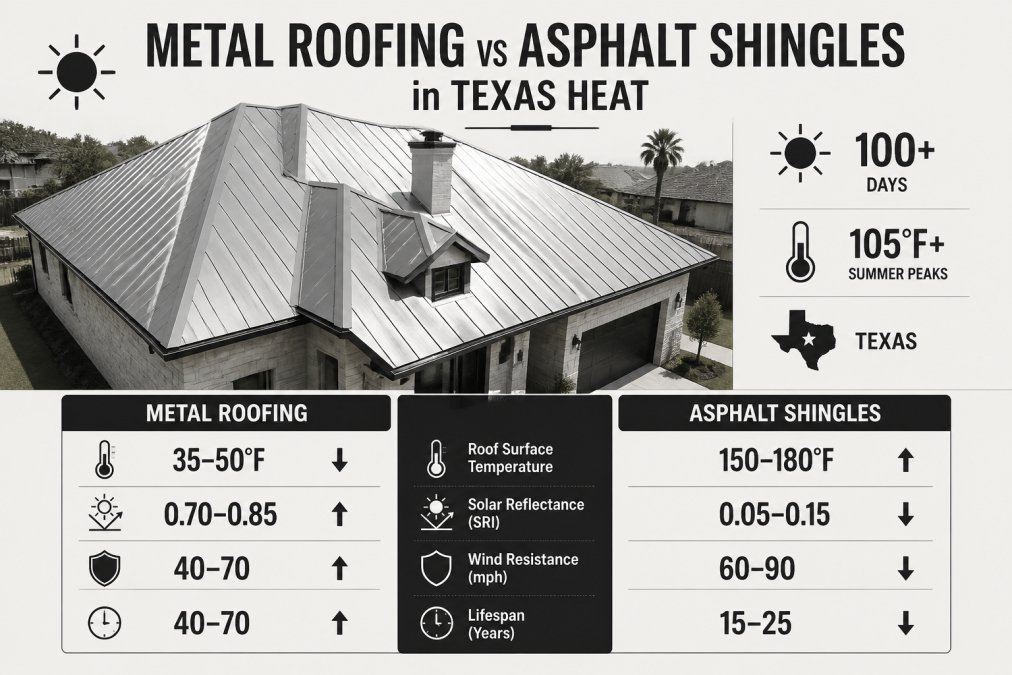
Metal roofing, typically aluminum or steel with protective coating, reflects solar heat rather than absorbing it. This reflective quality reduces cooling costs by 10-25% depending on color and coating. Standing seam metal roofing is the most common residential option, featuring vertical seams that interlock and expand with thermal expansion without leaking.
Asphalt shingles absorb heat and reach surface temperatures 50-60°F higher than ambient air on sunny days. This heat transfer into your attic increases cooling demands and accelerates UV degradation. Over 20 years, thermal stress contributes significantly to shingle deterioration in Texas’s intense sun.
Quality metal roofing lasts 40-60 years with minimal maintenance, while asphalt shingles typically last 15-25 years in Texas conditions. Metal roofing requires no granule replacement, doesn’t need moss or algae treatment, and maintains structural integrity through multiple severe weather events. Asphalt shingles need periodic inspections, potential repairs after hail or wind events, and eventual full replacement.
Standing seam systems withstand winds exceeding 140 mph without losing fasteners or panels, while asphalt shingles typically fail at 60-80 mph. For coastal Texas or hurricane-prone regions, this difference is critical.
Metal roofing installation costs roughly 2-3 times more than asphalt shingles upfront. However, the 40+ year lifespan versus 20-year replacement cycle makes per-year cost competitive. Add energy savings and insurance discounts, and metal roofing becomes financially comparable for long-term homeowners.
Metal roofing makes financial sense if you’ll stay in your home for 15+ years. For shorter timeframes, Class 4 impact-resistant asphalt shingles offer better ROI.
Roofing Material Lifespan in Texas Heat and Weather
Texas weather is relentless on roofing materials. Lifespan varies dramatically based on material choice, installation quality, and maintenance.
Asphalt shingles, the most common residential roofing material in Texas, typically last 15-20 years. Intense UV radiation from Texas’s 230+ sunny days annually accelerates granule loss and brittleness. Heat cycling creates stress that eventually leads to cracking and leaks. After 15 years, most asphalt roofs show visible wear and require replacement within 5 years.
Metal roofing extends lifespan to 40-60 years. The material doesn’t degrade from UV exposure like asphalt does. Thermal expansion and contraction are accommodated by standing seam design without causing failure.
Composite roofing materials typically last 25-35 years in Texas. These engineered materials resist UV degradation better than asphalt but don’t match metal’s longevity.
Clay and concrete tiles last 50+ years in Texas climate. Dense material resists UV damage and thermal stress, though individual tiles can crack from hail impact, requiring spot repairs. The underlying structure must support tile’s weight.
Slate roofing lasts 75-100+ years. Its density and mineral composition make it essentially immune to Texas weather. Many historic Texas homes still have original slate roofs installed a century ago.
Maintenance significantly affects actual lifespan regardless of material. Regular inspections catch small problems before they become major damage. Clearing debris, checking flashing, and ensuring proper ventilation extends the life of any roofing system.
Insurance Discounts and Building Code Compliance
Your roofing material choice directly impacts insurance premiums and determines whether installation meets local building codes.
Texas building codes require roofing systems to meet specific wind and impact resistance standards depending on location. Coastal areas have stricter requirements than inland regions. McAllen and surrounding areas typically require roofing systems rated for 130+ mph winds and hail impact resistance. This means basic asphalt shingles don’t meet code in many Texas locations, you need at least Class 3 or Class 4 impact-resistant options.
Insurance companies offer premium discounts for roofing materials exceeding minimum code requirements. Class 4 impact rating and high wind resistance reduce insurer risk, earning you 15-30% discounts depending on material and policy. Over 20 years, these discounts total thousands of dollars.
Metal roofing qualifies for additional discounts beyond impact and wind ratings. Some insurers offer 20-35% discounts for metal roofing due to superior durability and fire resistance. In wildfire-prone or high-risk hail zones, metal roofing’s premium cost can be largely offset by insurance savings.
Verify local building code requirements with your city or county building department before selecting materials. Installing a roof that doesn’t meet code requires expensive remediation. Get a code compliance letter from your contractor ensuring the installation meets requirements and protects your insurance coverage.
Installing a roof that doesn’t meet local building codes can void your insurance coverage and create liability issues if the property is damaged. Always verify code requirements before selecting materials and get written confirmation from your contractor that the installation meets all applicable codes.
Comparison of Top Durable Roofing Materials
The following comparison summarizes the most durable roofing materials available for Texas homes.
| Material | Lifespan | Wind Resistance | Hail Impact | Energy Efficiency | Maintenance | Cost Level |
|---|---|---|---|---|---|---|
| Class 4 Asphalt Shingles | 20-25 years | 130+ mph | Class 4 rated | Moderate | Moderate | Low-Moderate |
| Metal Roofing | 40-60 years | 140+ mph | Excellent | High | Low | High |
| Composite Shingles | 25-35 years | 130+ mph | Class 3-4 | Moderate | Moderate | Moderate-High |
| Clay Tiles | 50+ years | 130+ mph | Variable | Moderate | Moderate | High |
| Concrete Tiles | 50+ years | 130+ mph | Variable | Moderate | Moderate-High | High |
| Slate Roofing | 75-100+ years | 140+ mph | Excellent | Moderate | Low | Very High |
Class 4 Asphalt Shingles deliver solid durability at lowest cost. They meet building codes in most Texas locations and qualify for insurance discounts. The trade-off is shorter lifespan requiring replacement every 20-25 years. Best for budget-conscious homeowners or those planning to sell within 15 years.
Metal Roofing offers the best balance of longevity and weather resistance for most Texas homeowners. The 40-60 year lifespan means you’ll likely never replace it. Energy savings and insurance discounts offset higher upfront cost over time. Best for homeowners planning to stay long-term and wanting maximum durability.
Composite Shingles mimic slate or wood appearance while offering better durability than asphalt. They cost more than asphalt but less than genuine slate or tile. Best for homeowners wanting aesthetic appeal with improved durability and moderate budget constraints.
Clay and Concrete Tiles provide classic appearance with excellent durability. The 50+ year lifespan is impressive, but individual tiles can crack from hail impact. Weight requires structural reinforcement in many homes, adding installation cost. Best for homes with adequate structural capacity and homeowners valuing traditional aesthetics.
Slate Roofing represents the ultimate durability investment. The 75-100+ year lifespan is unmatched, and material density provides superior weather and impact resistance. Cost is substantial, often 4-5 times higher than asphalt shingles. Best for historic properties, high-value homes, or owners prioritizing longevity above all factors.
Choosing the Right Roofing Material for Your Texas Home
Selecting the right durable roofing material requires weighing multiple factors beyond simple cost comparison. Your climate zone within Texas, home structure, budget, and long-term plans all influence the optimal choice.
Start by understanding your location’s weather exposure. Homes in hail-prone areas like Lubbock or Amarillo need impact-resistant materials. Coastal properties near Galveston face hurricane-force winds and salt spray. McAllen experiences intense heat and occasional severe storms. Each region’s specific challenges point toward different material recommendations.
Assess your home’s structural capacity. Slate and tile roofing are heavy and require reinforced framing. Metal and asphalt shingles work on virtually any structure. Composite materials fall in between.
Consider your timeline. If you plan to sell within 5-10 years, investing in 50-year metal roofing may not provide financial return. Class 4 asphalt shingles or composite materials offer better ROI for shorter ownership periods.
Calculate total cost of ownership, not just installation price. Factor in energy savings, insurance discounts, maintenance costs, and replacement timeline. A material costing 30% more initially but lasting twice as long becomes the cheaper option over 30 years.
Get multiple quotes from qualified contractors. Installation quality matters as much as material choice. Verify that contractors are licensed, insured, and experienced with your chosen material. Ask for references from recent Texas installations.
Alpha Guard can help evaluate your home’s roofing needs and recommend durable roofing materials for Texas that match your budget and climate exposure. Our certified and insured professionals assess your structural capacity, local building code requirements, and long-term ownership plans to guide you toward the best choice. We provide transparent pricing and can discuss financing options to make premium roofing accessible.
Discuss warranty coverage with your contractor and material manufacturer. Some materials come with 25-50 year warranties covering defects and weather damage. Ensure your contractor provides written warranty on their workmanship separate from the material warranty.
Conclusion
Choosing durable roofing materials for Texas is one of the most important home improvement decisions you’ll make. The right material protects your property for decades while managing energy costs and insurance premiums. Class 4 impact-resistant shingles, metal roofing, and premium materials like slate each serve different needs depending on your budget, timeline, and weather exposure.
Alpha Guard helps McAllen homeowners navigate this decision with expert guidance on materials that perform in our local climate. Our certified and insured professionals assess your home’s specific needs and recommend solutions backed by guaranteed structural workmanship. Contact Alpha Guard for a free estimate and discover how the right roofing material can enhance your property’s safety, value, and efficiency year-round.
Frequently Asked Questions
What is the best roof material for Texas weather?
The best choice depends on your priorities. Class 4 impact-resistant asphalt shingles provide excellent hail protection and cost less upfront. Metal roofing with standing seam construction offers superior durability in extreme heat and can last 40-70 years. Concrete or clay tiles work well for traditional homes but are heavier and require stronger structural support. For Texas specifically, prioritize materials with high wind uplift ratings, hail resistance, and UV degradation protection since all three are common concerns here.
Are Class 4 impact-resistant shingles worth the investment in Texas?
Yes, Class 4 shingles often pay for themselves through insurance discounts. Many Texas insurers offer 15-30% premium reductions for Class 4 rated roofing, and some may even offer discounts for Class 3 or higher. They also reduce replacement costs after hail storms, which are frequent in Texas. The upfront cost is higher than standard shingles, but the combination of lower insurance premiums and reduced storm damage replacement makes them financially sensible for most Texas homeowners.
How long do different roofing materials last in Texas heat?
Asphalt shingles typically last 15-20 years in Texas due to UV degradation and thermal expansion from extreme heat. Metal roofing lasts 40-70 years with minimal maintenance. Concrete and clay tiles last 50+ years but may experience minor cracking. Slate roofing can last 75-200 years. The Texas heat accelerates aging in standard materials, so investing in impact-resistant or metal options extends the lifespan significantly and reduces long-term maintenance costs.
Does metal roofing really stay cooler than asphalt in Texas?
Yes. Metal roofing reflects sunlight rather than absorbing it, which reduces heat transfer into your home. This can lower cooling costs by 10-25% depending on color and coating. Asphalt shingles absorb heat, raising attic temperatures and increasing air conditioning demand. Some metal roofs have reflective coatings that further improve thermal efficiency. This solar reflectance advantage makes metal especially valuable in Texas, where cooling costs are a major expense.
What building codes apply to roofing in Texas?
Texas follows the International Building Code (IBC) with state amendments. In high-wind areas and coastal zones, roofing must meet stricter wind uplift and impact-resistance requirements. The Texas Windstorm Insurance Association (TWIA) has specific guidelines for coastal properties. Local McAllen building codes may have additional requirements. Before installation, verify your area's specific code requirements with your local building department. A certified contractor will ensure your chosen material and installation meet all applicable codes.
Can composite or synthetic roofing materials handle Texas weather?
Composite and synthetic roofing materials can perform well in Texas if they have high impact ratings and UV protection. Synthetic slate and rubber composites offer durability similar to asphalt at a lower cost than natural slate, with better hail resistance than standard shingles. However, they may not last as long as metal or natural tiles in extreme Texas heat. Check the product's Class rating, warranty coverage, and thermal expansion specifications before choosing.
How does roof ventilation affect durability in Texas heat?
Proper roof ventilation is critical in Texas. Without it, heat builds up in your attic, accelerating shingle degradation and reducing the lifespan of any roofing material. Good ventilation also prevents moisture buildup, which can lead to mold and structural damage. When selecting a roofing material, ensure your installation includes adequate soffit and ridge ventilation, along with a moisture barrier or roofing underlayment. This protects your investment and extends the life of your roof significantly.
This article was written using GrandRanker