
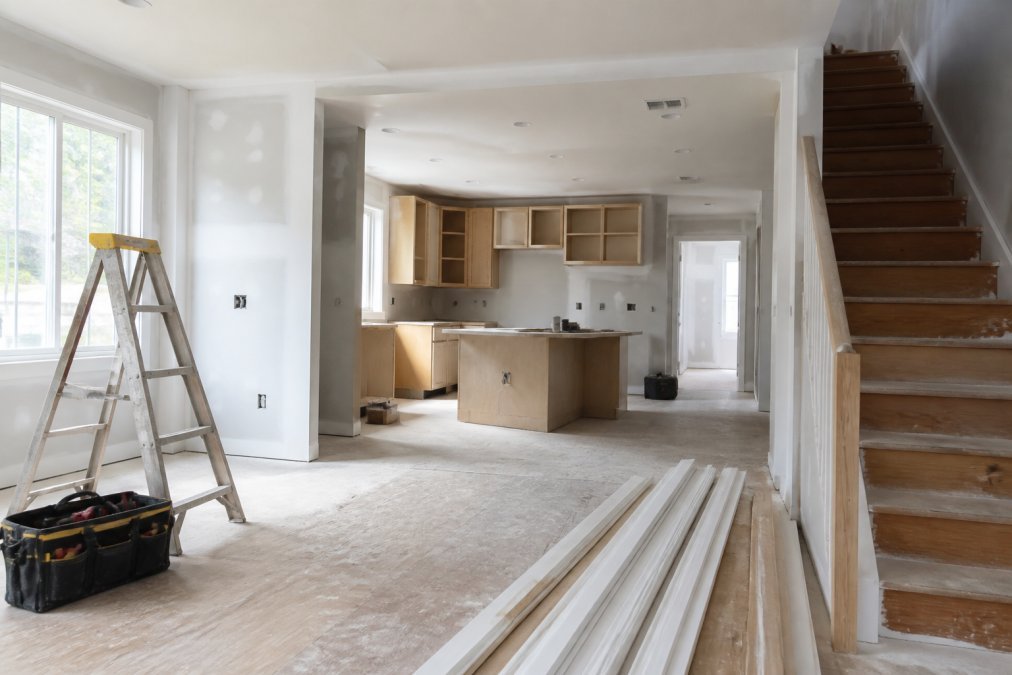
Table of Contents
- How Long Do Renovations Take by Project Type
- Factors Affecting Renovation Duration
- The Permitting Process for Home Improvements
- Financing Options for Home Repairs and Renovations
- Living Through a Renovation: Hidden Time Sinks and Planning
- Creating a Realistic Renovation Schedule
- Conclusion
Last Updated: August 22, 2026
How Long Do Renovations Take by Project Type
The timeline for how long do renovations take depends entirely on what you’re renovating. A bathroom refresh might wrap in 4-6 weeks, while a whole-home remodel can stretch into 6-12 months or longer. Understanding these ranges helps you plan realistically and avoid the frustration of surprise delays.
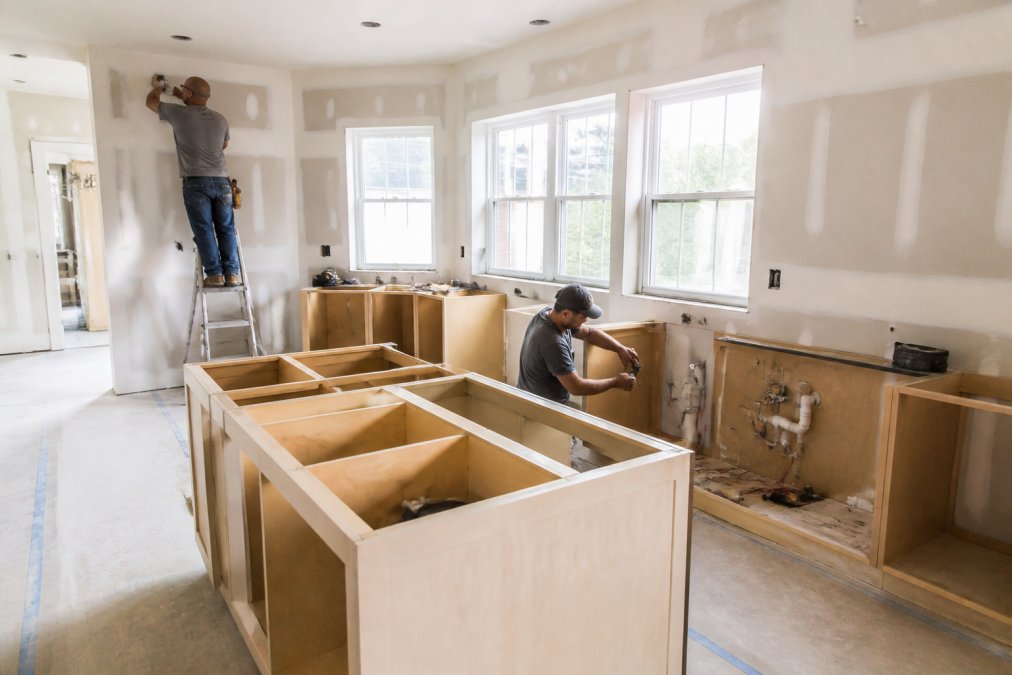
Most homeowners underestimate renovation timelines because they focus only on active construction, forgetting about design, permitting, material procurement, and the punch list at the end.
Kitchen Renovation Timeline
A kitchen renovation typically takes 6-12 weeks for a standard remodel, assuming no structural changes and materials are already selected.
The breakdown:
- Design and planning: 2-4 weeks
- Permitting: 2-6 weeks
- Demolition and site prep: 1-2 weeks
- Rough-in work: 2-3 weeks (electrical, plumbing, HVAC)
- Cabinetry and counters: 1-2 weeks
- Flooring installation: 3-5 days
- Finish work: 2-3 weeks (painting, backsplash, hardware)
- Final inspection: 2-3 days
Structural changes like removing walls or relocating plumbing add 4-8 weeks. Custom cabinetry can add 6-12 weeks before construction starts. Material lead times are often where homeowners discover that how long do renovations take isn’t just about construction, it’s about waiting for materials to arrive.
Bathroom Renovation Timeline
A bathroom renovation typically completes in 4-8 weeks for a standard remodel (nahb.org). Bathrooms have smaller square footage and fewer trade dependencies than kitchens.
The typical sequence:
- Design and material selection: 1-3 weeks
- Permitting: 1-4 weeks
- Demolition: 2-4 days
- Rough-in work: 3-5 days
- Waterproofing and substrate prep: 3-5 days
- Tile or shower installation: 1-2 weeks
- Fixture installation: 3-5 days
- Painting and final finishes: 1 week
- Final inspection: 1-2 days
Bathroom projects move quickly, but don’t rush plumbing, electrical, or waterproofing work. Cutting corners creates expensive problems later.
Whole-Home Remodel Duration
A whole-home renovation typically takes 6-12 months for a complete overhaul, though a light refresh might take 3-4 months while a gut rehab can stretch to 18 months.
Whole-home projects require managing multiple subcontractors simultaneously. When the plumber finishes rough-in work, the electrician must complete their work before drywall goes up. If one trade falls behind, everyone waits.
The phases:
- Design and planning: 4-8 weeks
- Permitting: 4-12 weeks
- Demolition: 2-4 weeks
- Structural work and framing: 4-8 weeks
- Rough-in utilities: 3-6 weeks
- Insulation and drywall: 3-4 weeks
- Interior finish work: 6-10 weeks
- Final systems and inspections: 2-4 weeks
- Final walkthrough and punch list: 1-2 weeks
Living in your home during a whole-home remodel creates additional delays from dust, debris, and contractor access. Many homeowners choose to relocate during major renovations, which is a significant cost but often worth it for peace of mind and project speed.
Factors Affecting Renovation Duration
How long do renovations take ultimately depends on factors beyond basic project scope.
Project Scope and Structural Changes
The difference between a cosmetic refresh and a structural renovation is measured in months. A cosmetic kitchen update might take 6-8 weeks. Adding structural changes like removing a wall or relocating the sink adds 8-12 weeks minimum.
Structural work requires additional permitting and inspections. You can’t install drywall until the structural inspector approves framing. You can’t finish walls until electrical and plumbing inspectors sign off on rough-in work.
Hidden structural issues discovered during demolition create the biggest surprises. Opening a wall to find outdated wiring, rotted framing, or plumbing problems adds weeks and expense. Experienced contractors budget contingency time, typically 10-20% of the estimated timeline, for the unexpected.
Supply Chain and Material Lead Times
Material availability is one of the largest variables in renovation timelines. Custom cabinetry typically requires 8-14 weeks lead time (nkba.org). Specialty countertops can take 6-10 weeks. Imported tile or stone adds similar delays.
The supply chain impact is often invisible to homeowners. You approve the design in week 2. The contractor orders materials in week 3. Materials arrive in week 10. Active construction doesn’t start until week 11. You’ve waited nine weeks before seeing visible progress.
Sourcing materials locally or choosing in-stock options dramatically reduces timeline risk. Standard cabinetry from major manufacturers might be available in 2-4 weeks. Stock tile and countertop options are often immediately available. The trade-off is less customization, but timeline certainty is worth it for many homeowners.
Permits, Inspections, and Building Codes
Permitting timelines vary dramatically by jurisdiction. Some municipalities process permits in 1-2 weeks. Others take 6-8 weeks or longer.
Permits trigger inspection requirements at specific phases: framing, electrical and plumbing rough-in, and final inspection. Each inspection is a checkpoint that can delay the next phase if issues are found. Inspectors have schedules, and if your contractor’s inspection is booked, you wait. If the inspection identifies code violations, you must correct them before proceeding.
Building codes also affect material choices and installation methods. Certain electrical work requires licensed electricians. Plumbing work requires licensed plumbers. These requirements add labor costs and scheduling complexity, but they ensure safety and longevity.
The Permitting Process for Home Improvements
Permitting is often the biggest wildcard in renovation timelines. Plans must show the scope of work, materials, and code compliance. For simple projects like painting, permitting might be minimal. For structural work or electrical upgrades, detailed plans are required.
The building department reviews plans for code compliance, which can take 1-2 weeks for simple projects or 4-8 weeks for complex ones. If plans don’t meet code, the department issues revision requests, adding another 1-2 weeks.
After approval, building inspectors conduct inspections at specific phases. Each inspection must pass before proceeding. If an inspection fails, you correct issues and schedule a re-inspection, adding days or weeks. The final inspection verifies that all work complies with approved plans and building codes.
Financing Options for Home Repairs and Renovations
How you finance your renovation affects how long do renovations take. Limited budget sometimes forces phased approaches that extend the overall timeline.
Homeowners typically finance renovations through savings, home equity lines of credit, home equity loans, personal loans, or contractor financing. Home equity lines and loans require appraisals and underwriting, typically 2-4 weeks. Personal loans process faster, usually 1-2 weeks. Contractor financing varies widely.
The financing decision also affects material choices. If budget is tight, you might choose stock materials instead of custom options, reducing lead times. Budget constraints sometimes force a phased approach where you complete the kitchen this year and bathrooms next year, extending the total timeline significantly.
Alpha Guard understands that financing impacts project planning. Our team can discuss flexible financing options that align with your timeline and budget, ensuring you’re not forced to choose between speed and affordability.
Living Through a Renovation: Hidden Time Sinks and Planning

Living through a renovation creates hidden delays that timelines rarely account for. Dust containment requires setup time. Temporary barriers need maintenance. Contractor access requires coordination.
Dust and debris are constant realities. Drywall cutting creates dust. Demolition creates debris. Contractors should use dust barriers and HEPA filters, but these take time to set up and maintain. The first week often involves more setup than active construction.
Temporary barriers isolate work areas from occupied spaces. If renovating a kitchen while living in your home, plastic sheeting separates the construction zone from living areas. These barriers need daily maintenance and create access challenges for contractors.
Contractor access affects timeline. If multiple contractors need simultaneous access, you need clear pathways for each trade. Parking limitations, winter weather, and safety issues add time that pure construction estimates don’t capture.
Design Phase and Contractor Selection
The design phase often takes longer than homeowners expect. Selecting finishes, layouts, and materials requires decision-making. Working with a designer typically takes 4-8 weeks. Designing yourself might take 2-4 weeks or significantly longer if indecisive.
Contractor selection adds time. Getting multiple bids takes 2-4 weeks. Checking references and negotiating contracts adds another 1-2 weeks. By the time you’ve selected a contractor, 6-8 weeks have passed before construction begins.
This is why many homeowners feel how long do renovations take is longer than expected. They count only the construction phase, forgetting that design and contractor selection often take as long as the actual building work.
Experienced homeowners simplify this phase by having a clear vision before contacting contractors. They’ve selected finishes, determined their budget, and understand their must-haves versus nice-to-haves. This clarity speeds contractor selection and reduces design delays.
Change Orders and Scope Creep
Change orders are requests to modify the original project scope. They’re inevitable because unforeseen issues always arise. Necessary change orders add time and expense. Discovering outdated wiring during demolition requires an electrician to upgrade circuits before proceeding. These changes are unavoidable and add weeks to timelines.
Optional change orders are different. Deciding mid-project to upgrade countertops extends the timeline because new materials must be ordered and installed.
Scope creep, gradual expansion beyond original plans, is the silent timeline killer. It starts small: "While we’re here, let’s refinish the floors." Then it grows: "And we should update the lighting fixtures." Before you know it, the original 8-week kitchen renovation becomes a 14-week project with twice the budget.
Final Walkthrough and Punch List
The final walkthrough is where you and the contractor review completed work and identify issues. This phase typically takes 1-2 days for inspection, then 1-2 weeks for the contractor to address punch list items.
The punch list includes minor items needing correction: touch-up paint, loose hardware, caulking gaps, or appliance adjustments. Clear contracts should specify a deadline for punch list completion, typically 5-10 days after the final walkthrough.
Creating a Realistic Renovation Schedule
Creating a realistic renovation schedule requires understanding all phases and building in contingency time. Most professional contractors add 10-20% contingency to estimates for the unexpected (aia.org).
Start with the basic timeline for your project type. If doing a kitchen renovation, the base timeline is 6-12 weeks of active construction. Then add time for each preceding phase:
- Design phase: 2-4 weeks
- Contractor selection: 2-4 weeks
- Permitting: 2-8 weeks
- Material procurement: 4-12 weeks
Your realistic timeline is the sum of all phases, not just construction. A kitchen renovation that seems like a 10-week project might actually be 20-24 weeks from start to finish.
Building contingency into your schedule means adding 10-20% to each phase. If material procurement typically takes 8 weeks, budget 9-10 weeks. If construction typically takes 10 weeks, budget 11-12 weeks. This contingency absorbs inevitable delays without derailing your project.
Weekly check-ins with your contractor help you stay informed about progress and anticipate delays early. Flexibility is crucial, if the contractor discovers structural issues, you can proceed with the work and accept a longer timeline, cut scope to maintain the timeline, or pause the project.
Alpha Guard brings professional project management to home renovations, helping homeowners understand realistic timelines and navigate the unexpected. Our certified professionals coordinate every phase, from design through final walkthrough, ensuring clear communication and schedule accountability.
How long do renovations take ultimately depends on your specific project, but the answer is always longer than the active construction phase. Design, permitting, material procurement, and living through the disruption all extend the timeline. Homeowners who feel most satisfied are those who understood these factors upfront and built realistic schedules with contingency time. When you partner with Alpha Guard for your renovation, you get professionals who’ve managed these timelines repeatedly and can help you plan realistically. Get a free estimate and let our team show you exactly what your project timeline should look like.
Frequently Asked Questions
How long does it typically take to renovate a house?
Renovation duration depends heavily on scope. A single-room renovation (kitchen or bathroom) typically takes 4 to 12 weeks. Whole-home remodels range from 3 to 9 months or longer. Factors like permits, material availability, structural changes, and contractor scheduling significantly impact timelines. Starting with a clear project scope and realistic expectations helps you plan accordingly.
What factors affect how long renovations take most?
The biggest delays stem from permit approval timelines, material lead times for cabinetry and fixtures, structural changes requiring inspections, and change orders during construction. Weather, contractor availability, and subcontractor coordination also add time. A gut rehab involving plumbing and electrical rewiring takes longer than cosmetic updates. Building codes compliance and final inspections can extend projects by weeks.
How long does a kitchen remodel take on average?
A standard kitchen renovation takes 6 to 12 weeks. This includes design phase, material procurement, demolition, structural work (if needed), installation of cabinetry and appliances, flooring, and finish work. Lead times for custom cabinetry can extend timelines significantly. Permits and inspections for electrical and plumbing add 2 to 4 weeks. Working with certified contractors who manage the schedule efficiently helps keep projects on track.
What's the difference between financing options for home repairs versus renovations?
Home repair financing typically covers emergency fixes and maintenance, often with shorter approval times and smaller loan amounts. Renovation financing supports larger, planned projects and may offer more flexible terms. Options include home equity loans, HELOCs, personal loans, and contractor financing programs. Affordable financing makes projects accessible by spreading costs over time, though rates and terms vary. Discuss available options during your estimate consultation.
This article was written using GrandRanker